|
51° Stormo
|
 |
 |
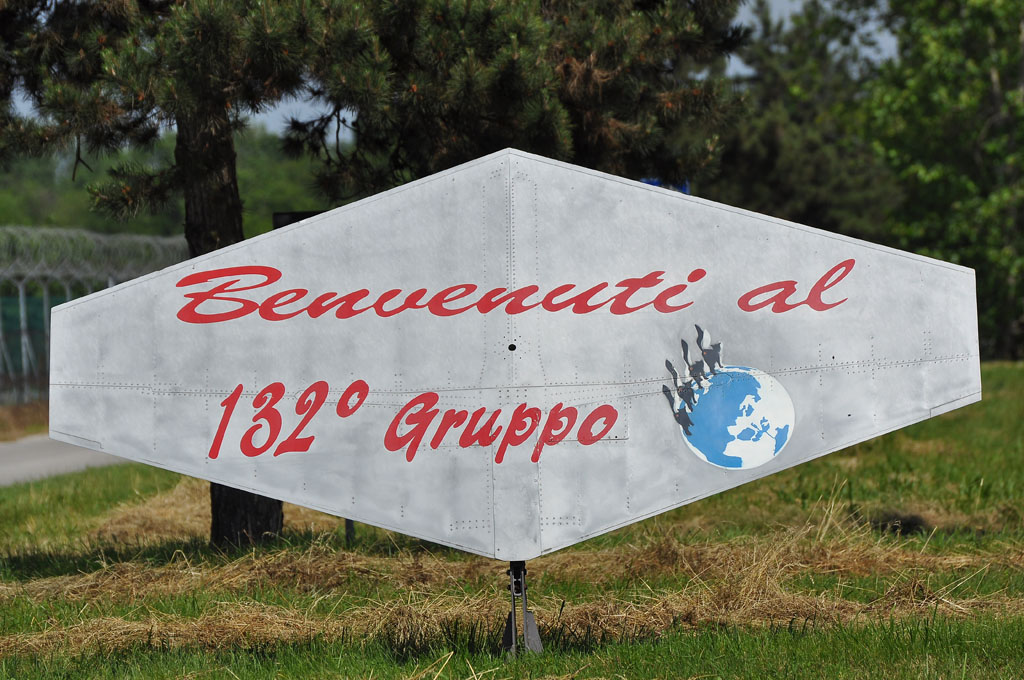
Il 132° è a pieno titolo uno di quei Gruppi di Volo che rivestono un’importanza di primo livello nel contesto aeronautico italiano, ovviamente senza nulla togliere ad altri reparti altrettanto importanti, ma nel momento in cui si cita un Reparto che è “intitolato”, ed ha avuto anche come Comandante, un aviatore italiano ed eroe di guerra che porta il nome di Carlo Emanuele Buscaglia non dovrebbero esserci dubbi riguardo la mia affermazione. Prima di descrivere Buscaglia volevo fare delle precisazioni al riguardo dell’intitolazione di un Reparto di Volo. Di norma in Aeronautica Militare solo gli Stormi hanno la possibilità di essere intitolati a personaggi che hanno plasmato con le loro gesta la storia della nostra Forza Aerea, mentre solitamente questo non è possibile per i Gruppi di Volo e per le Squadriglie, nel caso specifico voglio precisare che l’intitolazione ufficiale con il nome di Buscaglia è stata assegnata al 3° Stormo di Verona-Villafranca nel lontano 1984 e mantenuto fino al 1° settembre del 1999 quando lo Stormo viene chiuso e posto in posizione ”quadro”. Bisogna aggiungere che quasi contemporaneamente sempre a Villafranca viene costituito l’RMS (Reparto Mobile di Supporto) con una buona dote di personale già appartenuto al 3° Stormo, il Reparto precisamente si occupa della logistica di Forza Armata nei rischieramenti fuori area, mentre il 19 di settembre del 1999 l’RMS viene ufficialmente utilizzato per ricostituire il 3° Stormo Reparto Mobile Supporto e ovviamente essendo a tutti gli effetti uno Stormo gli viene mantenuta l’intitolazione di Buscaglia. Mi sono sentito in dovere di spiegare la situazione contingente nel dettaglio per evitare qualsiasi disquisizione sulla bontà della mia indicazione di titolo “132° Gruppo Buscaglia”, mi sembra superfluo commentare se questa intitolazione sia più appropriata ad uno Stormo (non aeronauticamente operativo) oppure ad un Gruppo di Volo, lascio al lettore l’ardua sentenza. Purtroppo come ho appena scritto alcune volte accade che alcuni Stormi vengano chiusi, e per non perdere un patrimonio storico di assoluto valore che portano con se, queste intitolazioni vengono trasferite ad un Gruppo di Volo che comunque è stato alle dipendenze dello Stormo stesso. Ci sono altri casi simili in Aeronautica e peraltro solo in questo modo è possibile mantenere il patrimonio stesso, il fatto comunque non dovrebbe destare più di tanto stupore in quanto Buscaglia ha militato per quasi tutta la sua carriera nel 132°, è stato anche nominato Comandante dello stesso, quindi seppur il mio parere è alquanto insignificante, la “dedica” che porta il 132° Gruppo è più che giustificata e ragionevole.
Tornando indietro di qualche passo volevo riprendere il discorso su chi è stato Buscaglia, aviatore italiano della Regia Aeronautica è stato uno tra i più famosi eroi di guerra della Seconda guerra mondiale, per le gesta compiute è stato insignito della Medaglia d’Oro al Valor Militare. Buscaglia è nato a Novara il 22 settembre del 1915 ed entra nella Regia Accademia Aeronautica nell’ottobre del 1934, nel 1937 consegue il Brevetto di Pilota Militare, nel luglio dello stesso anno viene assegnato alla 50ª Squadriglia del 32° Stormo Bombardamento Terrestre, ai tempi equipaggiati con i Savoia Marchetti SM.81 successivamente sostituiti dai più moderni SM.79. Nel febbraio del 1940 Buscaglia viene trasferito presso la 252ª Squadriglia del 46° Stormo Bombardamento Terrestre, presso il 46° partecipa alla sua prima missione di Guerra, sempre nel 1940 il giovane Buscaglia entra volontario come Ufficiale Pilota nel costituendo Reparto Speciale Aerosiluranti, Unità sperimentale voluta dallo Stato Maggiore della Regia Aeronautica per utilizzare i siluri come arma di attacco nei confronti delle navi nemiche. Il Reparto era composto principalmente da esperti piloti di SM.79 della Regia Marina e da alcuni volontari dell’Aeronautica, al momento della costituzione la base operativa era in Libia ad El Adem. Nel settembre del 1940 viene conferita a Buscaglia la prima Medaglia d’Argento al Valor Militare per le azioni belliche compiute, mi sembra doveroso menzionare il fatto che Buscaglia si è distinto nella sua fulgida, anche se breve, carriera nella specialità aerosiluranti affondando circa 100.000 tonnellate di naviglio nemico. Nel marzo del 1941, dopo delle parentesi trascorse a Catania, a Tripoli (Libia) e a Pantelleria Buscaglia viene trasferito a Grottaglie, dove oltre alla promozione a Capitano gli viene affidato il compito di Comandare la 281ª Squadriglia.
Nel gennaio del 1942 la 281ª viene sciolta ma per il Capitano è solo questione di pochi mesi, perché con la costituzione del 132° Gruppo Aerosiluranti (1° aprile 1942), proprio a Buscaglia ne viene assegnato il Comando, avendo così la possibilità di mettere in mostra le sue elevate doti di organizzatore. Il 12 agosto dello stesso anno a Roma, direttamente per mano di Mussolini, viene promosso con il grado di Maggiore, pochissimi mesi dopo, durante una missione sulla baia di Bougie, l’SM.79 pilotato da Buscaglia viene intercettato e abbattuto da uno Spitfire, la Regia Aeronautica lo dichiara “disperso in azione”, conferendo quindi alla sua memoria la Medaglia d’Oro al Valor Militare. Fortunatamente per lui l’incidente non è stato mortale e seppur ferito viene catturato dagli Alleati che lo curano e successivamente lo internano in un campo di prigionia negli Stati Uniti.
All’atto della firma dell’armistizio Buscaglia decide di tornare a volare con le forze alleate, entrando così nell’Aeronautica Cobelligerante italiana, successivamente (Luglio 1944) rientra in Italia ed assume il comando del 28° Gruppo Bombardamento entrando a far parte dello Stormo “Baltimore” dislocato a Campo Vesuvio (Napoli). Lo Stormo prende il nome dal velivolo in dotazione di costruzione americana Martin Baltimore, il 23 agosto del 1944 decollando da Campo Vesuvio, solo ai comandi, con uno di questi bombardieri tocco con l’ala sinistra il terreno perdendo il controllo del bimotore che si schiantò al suolo incendiandosi, nonostante le gravi ferite per la seconda volta riuscì a fuggire dall’abitacolo e venne prontamente ricoverato all’ospedale di Napoli, purtroppo per lui questo volta l’incidente gli risulta fatale e il giorno dopo muore in ospedale all’età di 29 anni. |
 |
 |
Oltre al nome che porta in dote, il 132° ha anche un’altra importante peculiarità che lo contraddistingue, è l’unico Gruppo di Volo dell’Aeronautica Militare che dal 1954 svolge ininterrottamente il ruolo primario di Ricognizione Aerotattica con continuità e con mezzi specifici.
Ritornando ai fatti storici del Reparto come da prassi vado a descriverne i punti salienti dalla sua costituzione avvenuta il 1° aprile del 1942 sino ai giorni nostri. Come già detto prima, all’atto della costituzione il 132° viene posto sotto il comando del Maggiore Carlo Emanuele Buscaglia, l’aeroporto sede del Reparto al momento della costituzione è quello di Littoria (ora Latina) e la denominazione è come Gruppo Autonomo Siluranti, il Gruppo eredita le Squadriglie 278ª e 281ª che hanno in dotazione il velivolo Savoia Marchetti SM.79, uno dei velivoli di costruzione italiana più famosi ai tempi della Regia Aeronautica, soprannominato dagli avversari inglesi il “Gobbo Maledetto”. Da subito il Reparto viene impegnato nelle più importanti battaglie aeronavali del Mediterraneo, nel corso del mese di settembre del 1943 il 132° assorbe equipaggi e velivoli superstiti da altri Gruppi di aerosiluranti e viene trasferito a Lecce, dove cambia di ruolo in Unità da Trasporto. Per il 132° Gruppo il 1943 si rivela un anno molto travagliato, con la firma dell’armistizio italiano nei confronti delle forze alleate alcuni piloti decidono di passare alle dipendenze dell’Aeronautica Cobelligerante Italiana, mentre altrettanti decidono di rimanere fedeli al fascismo continuando a prestare servizio presso l’Aeronautica Nazionale Repubblicana. Fortunatamente per volere degli inglesi ai piloti italiani passati nelle loro fila viene risparmiato l’arduo compito di combattere contro i connazionali rimasti nell’ANR o di bombardare la propria nazione.
I molti piloti del 132° che hanno scelto di schierarsi con le forze alleate, dopo l’armistizio, vengono trasferiti a Campo Vesuvio (Napoli) dove il 1° luglio del 1944 viene costituito lo Stormo “Baltimore”. Per molti di loro il passaggio sul nuovo velivolo risulta drammatico in quanto le caratteristiche di pilotaggio del bimotore sono notoriamente mediocri, molti di questi perdono la vita in incidenti di volo, oltre al già citato Buscaglia, permanenza nei pressi di Napoli veramente breve, dal novembre lo Stormo opera dalla località di Campo Marino (Campobasso). Dal momento della costituzione dello Stormo Baltimore in qualche modo i Reparti che ne fanno parte tra i quali il 132°, cessano di essere menzionati come soggetti operativi a tutti gli effetti. Nel giugno del 1945 il Reparto viene trasferito dal “campo di aviazione” di Campo Marino all’aeroporto di Roma-Urbe, dove viene trasformato in Stormo Trasporti, con relativa trasformazione da bombardiere a trasporto sia di merci che di passeggeri. Nel 1946 dopo il trasferimento a Guidonia continua ad operare missioni di trasporto in particolare verso la Francia e Londra, qui vi rimane anche per tutto il 1947 quando viene inglobato nel Comando Raggruppamento Bombardamento e Trasporti, nome poco adatto in base al trattato stipulato e quindi modificato in Raggruppamento Misto. All’inizio del 1948 il Reparto viene trasferito a Palese-Macchie (Bari) dove viene riequipaggiato con i P 38 Lightning, pochi mesi dopo, il 1° novembre del 1948, lo Stormo Baltimore viene chiuso e contestualmente viene costituito il 3° Stormo Caccia che ne riceve il testimone. Lo Stormo rimarrà nella storia per la missione del 5 maggio 1945 che è stata l’ultima missione di guerra di un Reparto della Regia Aeronautica. Come 3° Stormo le operazioni vengono sempre effettuate in Puglia presso l’aeroporto di Bari, nel 1950 riceve i “nuovi” velivoli P 51 Mustang e nel 1954 viene trasferito sull’aeroporto di Verona-Villafranca. Il 132° torna a comparire come Gruppo di Volo alle dipendenze del 3° Stormo Ricognitori e da questo momento inizia la sua nuova avventura come Gruppo da Ricognizione Aerotattica. La dotazione iniziale è di velivoli F 84G Thunderjet, velivolo non propriamente concepito come ricognitore, la situazione migliora notevolmente dal dicembre del 1954 con l’arrivo dei nuovi aviogetti RF 84F Thunderflash, trasformazione del caccia bombardiere F 84F con l’istallazione di un radome completamente ridisegnato per l’alloggiamento di sei macchine fotografiche, poste per riprendere immagini verticali, oblique, verso il posteriore e tridimensionali. |
 |
|
Comandante
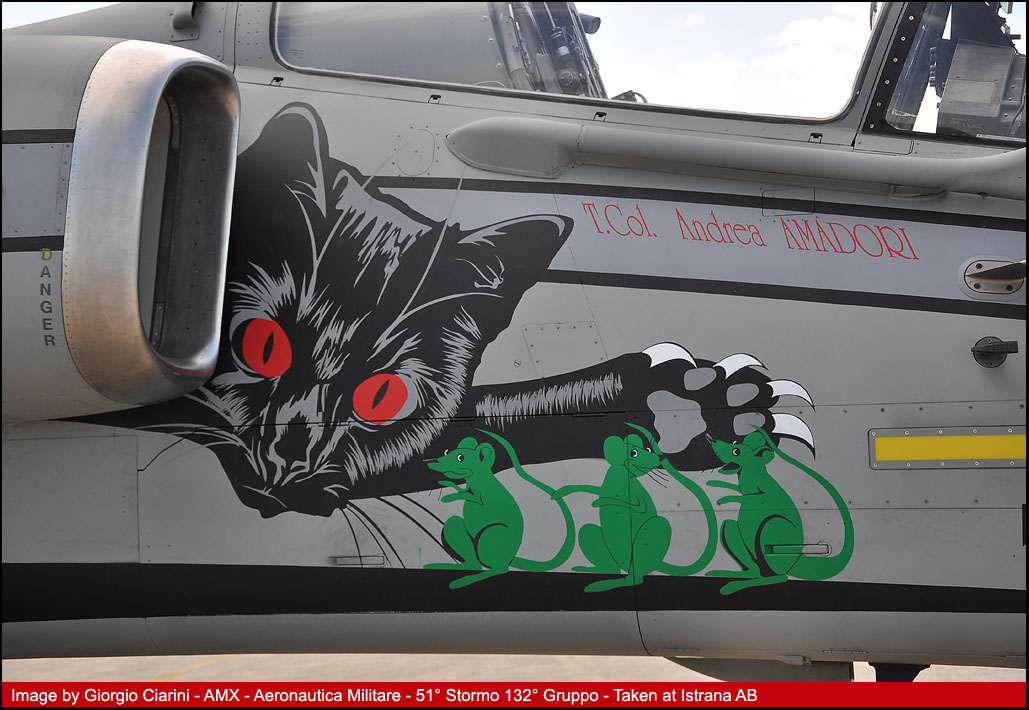
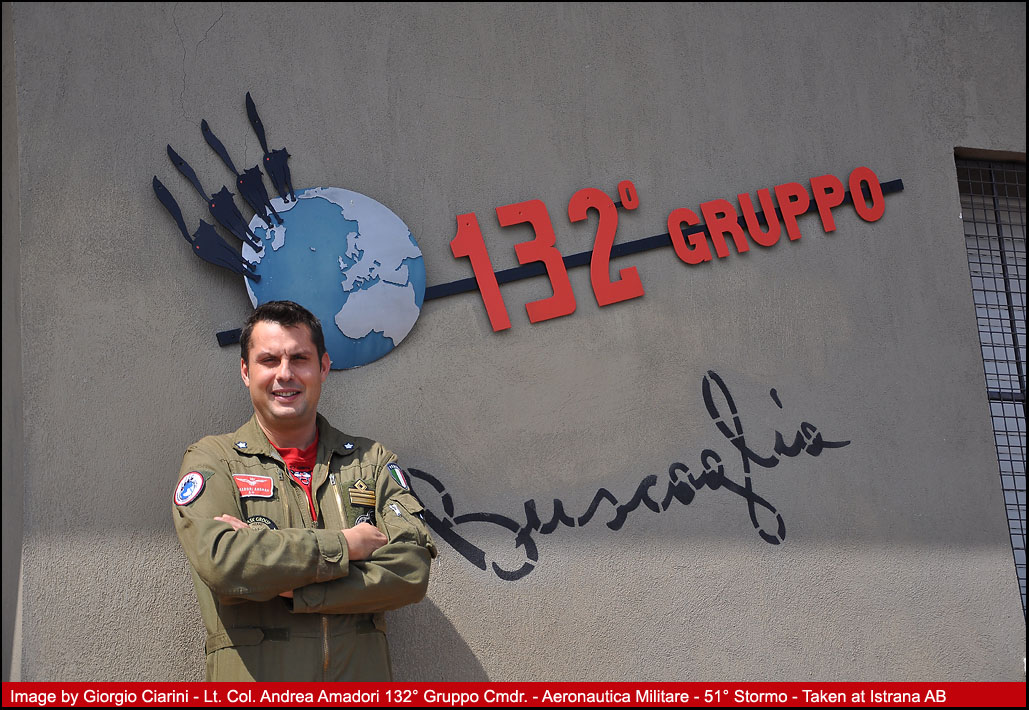
L’attuale Comandante del 132° Gruppo è il Tenente Colonnello Andrea Amadori, egli assume questo incarico dal 6 giugno del 2007. Amadori è nato a Verona il 19 maggio del 1970 ed entra in Accademia Aeronautica nell’agosto del 1989, viene ammesso al Corso “Leone IV”, durante il corso accademico consegue la Laurea di Scienze Aeronautiche presso l’Università Federico II di Napoli e la Laurea in Scienze della Difesa e della Sicurezza presso l’Università di Firenze.
Terminata l’Accademia nell’agosto del 1994 viene inviato presso il 132° Gruppo CBR (Caccia Bombardieri Ricognitori) di stanza a Verona-Villafranca e a sua volta dipendente dal 3° Stormo, qui vi consegue la Combat Readiness, inoltre presso il 132° Gruppo ricopre l’incarico di Comandante della 252ª Squadriglia, mentre successivamente sotto il Comando di Stormo quelli di Ufficiale Sicurezza al Volo e infine Capo Sezione Piani ed Operazioni dell’Ufficio Operazioni. Dopo questa iniziale attività operativa il Capitano Amadori ritorna all’Accademia di Pozzuoli per svolgere l’incarico di Ufficiale Addetto Inquadramento del Corso “Vulcano IV” per il periodo di un anno, da agosto 1998 fino ad agosto dell’anno successivo. Per il successivo quadriennio (1998-2002) si alterna presso i Comandi del 3°, del 51° e del 32° Stormo con mansioni tecnico/operative. Dal dicembre del 2002 all’aprile del 2006 viene dislocato presso la Royal Air Force Station di Coltishall come “Ufficiale di Scambio” del programma AM/RAF, Coltishall è stata una base storica della Royal Air Force per molti anni, dal 1974 al 2006 ha operato il “No 6 Squadron” dotato di velivoli Jaguar.
Terminata l’esperienza in Inghilterra Amadori rientra presso il 101° Gruppo del 32° Stormo di Amendola con incarichi tecnico/operativi, mentre dal luglio del 2006 e fino al giugno dell’anno seguente ritorna presso il Comando del 51° Stormo con l’incarico di “Capo Sezione Piani Operazioni” e “Capo Centro Operativo di Base” entrambi alle dipendenze dell’Ufficio Operazioni.
Il Tenente Colonnello Amadori nella sua lunga carriera è stato insignito delle seguenti onorificenze: Medaglia Militare Aeronautica Lunga Navigazione Aerea di 3° Grado, Medaglia NATO ex Jugoslavia, Medaglia NATO Kosovo, Croce d’Argento anzianità in servizio (anni 16), Croce Commemorativa Impiego Missione di Pace in Bosnia, Distintivo Specialità Caccia “Bronzo” 1° Grado per azioni belliche.
|
 |
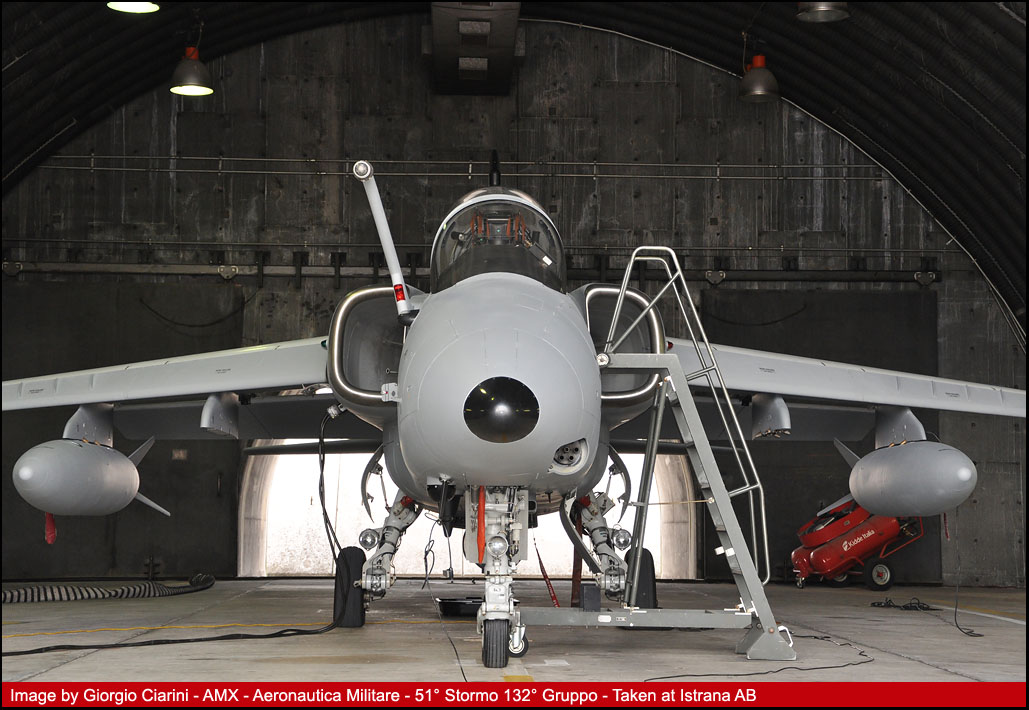
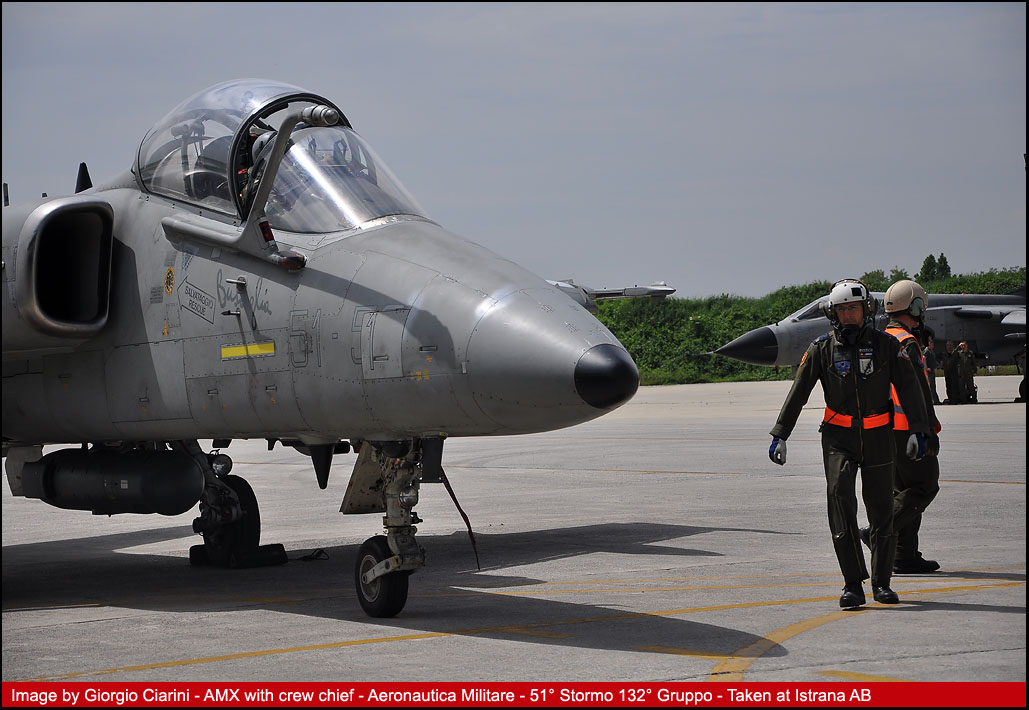
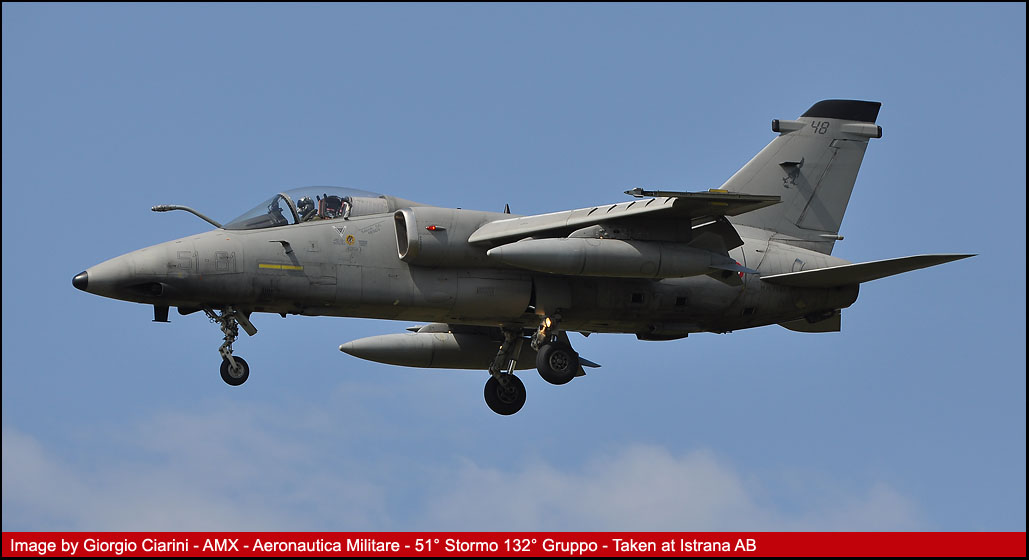
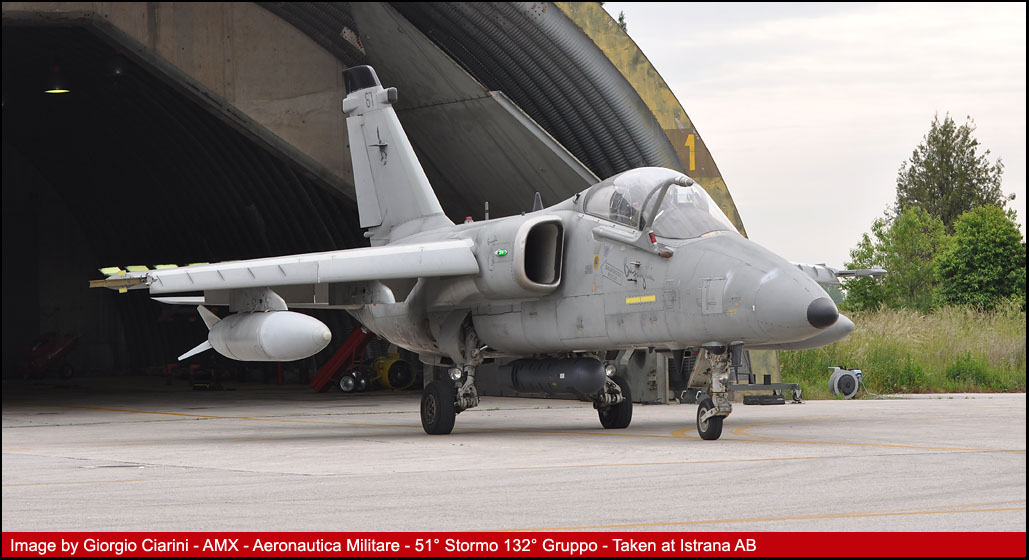
Un altro passaggio fondamentale avviene nel 1972 con l’arrivo della versione da ricognizione RF dell’F 104G Starfighter, inizia così per il 132° una nuova era “supersonica” come Caccia Bombardieri Ricognitori. La versione RF 104G è stata modificata ad hoc con l’installazione di un alloggiamento appena dietro il carrello anteriore che conteneva le apparecchiature fotografiche, mentre il pod fotografico Orpheus è stato acquisito successivamente per essere utilizzato sulla versione normale del "104", ovviamente viste le prestazioni di un velivolo nato come intercettore puro, l’RF 104G non era la macchina al top della gamma che si potesse pretendere, ma il suo ruolo lo ha svolto egregiamente sino ai primi anni 90. Dal 1991 i piloti hanno iniziato la transizione sul nuovo velivolo assegnato, l’AMX, anche in questo caso un velivolo nato non per il ruolo di ricognitore ma adattato con l’allestimento del pod Orpheus prima e ora con il Reccelite. Il 132° viene trasferito a Istrana nel luglio del 1999 da Villafranca, poco prima della chiusura del 3° Stormo (settembre 1999), e nonostante il trasferimento continua a mantenere il ruolo ormai assegnato nel lontano 1954. Nel momento in cui opera da Istrana i due Reparti che formano il 51° Stormo agiscono congiuntamente durante le più importanti esercitazioni svolte in giro per il mondo. Per evitare di ripetermi nello scrivere le stesse cose menzionate nel testo dedicato al 103°, in qualità di Gruppo “storico” del 51° Stormo volevo riportare nel testo seguente quelle peculiarità che sono proprie del Reparto. Nel 2006 il 132° ottiene l’abilitazione per l’utilizzo dei visori notturni NVG (Night Vision Goggles), prontamente usati nell’esercitazione Spring Flag 2006. L’anno successivo anche per il 132° iniziano le prime consegne di velivoli portati allo standard ACOL (Adeguamento Capacità Operativa e Logistica), potendo così iniziare l’addestramento all’utilizzo di armamenti intelligenti a guida laser, ricordo, che nonostante il ruolo principale sia quello della ricognizione, tutti i piloti del “Buscaglia” sono Combat Ready per l’attività di Close Air Support e Interdiction Strike.
In occasione della mia visita presso il 132° Gruppo “Buscaglia” approfitto della disponibilità concessa al sottoscritto dal Capitano Anastasi per chiarire alcune informazioni su come si diventa e si opera in qualità di “ricognitori”. I piloti dopo aver conseguito il BPM (Brevetto di Pilota Militare) vengono assegnati al 61° Stormo dove effettuano il corso basico di pilotaggio utilizzando l’MB 339A, successivamente frequentano un corso pre-operativo sull’MB 339CD per una durata di tre/quattro mesi con 40 missioni complessive. Terminata la permanenza a Lecce-Galatina i piloti vengono inviati presso l’OCU (Operational Conversion Unit) del 32° Stormo di Foggia-Amendola, molti ricorderanno sicuramente che il 32° Stormo è deputato alla conversione operativa dei piloti destinati alla linea AMX. Ad Amendola vengono svolte una sessantina di missioni per acquisire la qualifica LCR (Limited Combat Ready), di queste ne vengono svolte circa sei per tipologia di sviluppo di volo. Terminata la conversione operativa i piloti giungono al Gruppo di Volo definitivo dove svolgono circa 40 missioni nelle varie tipologia di missione, strumentale, navigazione e bassa quota, raggiunto lo status di CR (Combat Ready) inizia l’addestramento vero e proprio di “Recce”, il corso dura circa un mese e mezzo. La fase iniziale serve ad acquisire la capacità di utilizzo del pod fotografico, sia in manuale che in automatico, dopo di che si inizia con la pianificazione tipica delle missioni da ricognizione, dove si deve studiare la circostanza migliore per effettuare le riprese più appropriate in base al soggetto, l’utilizzo in manuale è sicuramente il più difficile ma quello che permette di ottenere migliori risultati. Le missioni vengono effettuate sia a bassa quota che alla media quota su aree prestabilite come i dintorni di Udine, di Aviano oppure la zona del Garda, e anche spingendosi verso il centro Italia. Per completare l’addestramento si effettuano principalmente missioni da solista, una volta che il pilota ha acquisito una notevole dimestichezza vengono svolte missioni complesse anche con quattro velivoli.
Come espresso dal Capitano Anastasi l’acquisizione del pod di produzione israeliana Reccelite ha conferito alla nostra Aeronautica Militare una capacità di ricognizione al massimo livello, facendo un paragone alquanto ingiusto con il caro vecchio Orpheus, sul quale erano installate delle semplici macchine fotografiche che funzionavano con l’utilizzo della pellicola, e per ovvi motivi bisogna attendere il relativo sviluppo del materiale in laboratorio dopo l’atterraggio del velivolo. Con il Reccelite le immagini possono essere trasmesse direttamente a terra tramite un ROVER che trasmette in Banda C e viste in tempo reale oppure memorizzate in apposite suite, inoltre essendo dotato di piattaforma inerziale GPS le riprese possono essere fatte in automatico, in base alla missione caricata sulla “Mission Plan” oppure in manuale gestito direttamente dal pilota che può vedere le riprese direttamente sull’MFD, e non ultima peculiarità del sistema è ogni tempo diurno/notturno. Ricordo che oltre alle capacità di Ricognizione Aerotattica il 132° mantiene un alto grado di efficienza anche nel secondo ruolo assegnatogli, il Supporto Aereo Tattico, forte di tutte queste esperienze, il Gruppo è stato scelto come Leading Group per l’invio di quattro AMX in Afghanistan, presso la base di Herat, a supporto dell’Operazione ISAF della NATO, con compiti di ricognizione fotografica e supporto alle truppe a terra. |
 |
 |
|
English translation
132° Gruppo (132nd Squadron)
The 132° is fully one of those Gruppi Volo that have a first-level importance in the Italian aeronautical context, obviously without taking anything away from other equally important units, but when you mention a Unit that is "entitled", and he also had as Commander, an Italian aviator and war hero who bears the name of Carlo Emanuele Buscaglia there should be no doubt about my statement. Before describing Buscaglia I wanted to make some clarifications about the title of a Reparto di Volo. Normally in the Aeronautica Militare only the Stormi have the possibility to be named after characters who have shaped with their deeds the history of our Air Force, while usually this is not possible for Gruppi di Volo and Squadriglie, In the specific case I want to specify that the official title with the name of Buscaglia has been assigned to the 3° Stormo of Verona-Villafranca in the far 1984 and maintained until the 1 September of 1999 when the Stormo is closed and placed in position "framework". It must be added that almost always at the same time in Villafranca is constituted the RMS (Reparto Mobile di supporto or Mobile Support Department) with a good staff already belonged to the 3° Stormo, the Unit precisely takes care of the logistics of Armed Force in the re-deployment outside the area, while on September 19, 1999 the RMS is officially used to reconstitute the 3° Stormo Mobile Supporto and obviously being in effect a Stormo is kept the title of Buscaglia. I felt compelled to explain the contingent situation in detail to avoid any discussion on the goodness of my title indication "132° Gruppo Buscaglia", it seems superfluous to comment on whether this title is more appropriate to a Stormo (not aeronautically operational) or a Gruppo di Volo, I leave to the reader the arduous judgment. Unfortunately, as I have just written, sometimes it happens that some Stormi are closed, and in order not to lose a historical patrimony of absolute value that they carry with them, these titles are transferred to a Gruppi di Volo that however has been under the dependencies of the same Stormo. There are other similar cases in the Aeronautica Militare and moreover only in this way it is possible to maintain the same patrimony, the fact however should not arouse more than so much amazement in how much Buscaglia has militated for almost all his career in the 132°, He was also appointed Commander of the same, so although my opinion is somewhat insignificant, the "dedication" that brings the 132° Gruppo is more than justified and reasonable.
Going back a few steps I wanted to resume the talk about who was Buscaglia, Italian aviator of the Regia Aeronautica was one of the most famous war heroes of World War 2, He was awarded the Gold Medal of Military Valor for his feats. Buscaglia was born in Novara on September 22, 1915 and entered the Regia Accademia Aeronautica in October 1934, in 1937 he obtained the Brevetto di Pilota Militare, in July of the same year he was assigned to the 50ª Squadriglia of the 32° Stormo Bombardamento Terrestre, at the time equipped with the Savoia Marchetti SM.81 later replaced by the more modern SM 79. In February 1940, Buscaglia was transferred to the 252ª Squadriglia of the 46° Stormo Bombardamento Terrestre, at the 46° Buscaglia participated in his first mission of War, also in 1940 the young Buscaglia becomes a volunteer as a Pilot Officer in the establishment of Reparto Speciale Aerosiluranti (Special Department Torpedo Bombers), an experimental unit wanted by the General Staff of the Regia Aeronautica to use the torpedoes as a weapon of attack against enemy ships. The Department was composed mainly of experienced pilots of SM.79 of the Regia Marina and some volunteers of the Aeronautica, at the time of the establishment the operational base was in Libya at El Adem. In September 1940 Buscaglia was awarded the first Silver Medal of Military Valor for his military actions, I feel obliged to mention the fact that Buscaglia distinguished himself in his splendour, although short, career in the specialty torpedo bombers sinking about 100,000 tons of enemy shipping. In March 1941, after parentheses spent in Catania, Tripoli (Libya) and Pantelleria Buscaglia was transferred to Grottaglie, where in addition to promotion to captain he was given the task of commanding the 281ª Squadriglia.
In January 1942 the 281ª is disbanded but for the Captain it is only a matter of a few months, because with the establishment of 132° Gruppo Aerosiluranti or Torpedo Bombers (April 1, 1942), Buscaglia is assigned the command, thus having the opportunity to showcase his high qualities as an organizer. On August 12 of the same year in Roma, directly at the hands of Mussolini, is promoted with the rank of Major, a few months later, during a mission on the Bay of Bougie, the SM.79 piloted by Buscaglia is intercepted and shot down by a Spitfire, the Regia Aeronautica declares him "missing in action", thus giving his memory the Gold Medal for Military Valor. Fortunately for him, the incident was not fatal and although wounded he is captured by the Allies who treat him and later intern him in a prison camp in the United States.
At the signing of the armistice Buscaglia decides to return to fly with the Allied forces, thus entering the Aeronautica Cobelligerante italiana, later (July 1944) returns to Italy and takes command of the 28° Gruppo Bombardamento entering the Stormo "Baltimore" located in Campo Vesuvio (Napoli). The Stormo was named after the American-built aircraft Martin Baltimore, on August 23, 1944, taking off from Campo Vesuvio, only at the controls, with one of these bombers I touch the ground with left wing losing control of the twin engine that crashed to the ground on fire, despite the serious injuries for the second time managed to escape from the cockpit and was promptly hospitalized in Napoli, unfortunately for him this time the accident is fatal and the next day died in hospital at the age of 29.
In addition to the name it bears in dowry, the 132° also has another important peculiarity that distinguishes it, is the only Gruppo di Volo of Aeronautica Militare that since 1954 plays uninterruptedly the primary role of Aerotactical Reconnaissance with continuity and with specific means.
Returning to the historical facts of the Unit as usual I go to describe the salient points from its constitution occurred on April 1, 1942 to the present day. As already said before, at the moment of the constitution the 132° is placed under the command of Major Carlo Emanuele Buscaglia, the airport home of the Unit at the moment of the constitution is that of Littoria (now Latina) and the denomination is like Gruppo Autonomo Siluranti, the Gruppo inherits the 278ª and 281ª Squadriglia that are equipped with the aircraft Savoia Marchetti SM.79, one of the most famous Italian aircraft built at the time of the Regia Aeronautica, nicknamed by the British opponents the "Hunchback Cursed". Immediately the Unit was engaged in the most important aero-naval battles in the Mediterranean, during the month of September 1943 the 132° absorbed crews and aircraft from other Gruppi of torpedo bombers and was transferred to Lecce, where it changes its role in Unità da Trasporto (Transport Department). For the 132° Gruppo the 1943 turns out to be a very troubled year, with the signing of the Italian armistice against the allied forces some pilots decide to go under the Italian Aeronautica Cobelligerante italiana, while as many decide to remain loyal to fascism continuing to serve at the Aeronautica Nazionale Repubblicana (Republican National Air Force). Fortunately for the will of the British Italian pilots passed in their ranks is spared the arduous task of fighting against the remaining compatriots in the ANR or bombing their nation.
After the armistice, the many pilots of 132° who chose to side with the Allied forces, were transferred to Campo Vesuvio (Napoli) where on 1 July 1944 the Stormo "Baltimore" was formed. For many of them the passage on the new aircraft is dramatic because the flight characteristics of the twin-engine are notoriously poor, many of these die in flight accidents, in addition to the aforementioned Buscaglia, stay near Napoli really short, since November the Stormo operates from the town of Campo Marino (Campobasso). Since the establishment of the Stormo Baltimore in some way the Units that are part of it among which 132°, is cease to be mentioned as fully operational subjects. In June 1945 the Unit was transferred from the "airfield" of Campo Marino to the airport of Roma-Urbe, where it was transformed into Stormo Trasporti, with its transformation from bomber to transport of both goods and passengers. In 1946 after the transfer to Guidonia continues to operate transport missions particularly to France and London, here it remains even throughout 1947 when it is incorporated into the Comando Raggruppamento Bombardamento e Trasporti (Bombing and Transport Command Group), name not suitable according to the treaty stipulated and then modified into Raggruppamento Misto (Mixed Group). At the beginning of 1948 the Unit was transferred to Palese-Macchie (Bari) where it was re-equipped with the P 38 Lightning, a few months later, on November 1, 1948, the Stormo Baltimore was closed and at the same time was formed the 3° Stormo Caccia that received the witness. The Stormo will remain in history for the mission of May 5, 1945 which was the last war mission of a Unit of the Regia Aeronautica. As 3° Stormo operations are always carried out in Puglia at the airport of Bari, in 1950 receives the "new" aircraft” P 51 Mustang and in 1954 is transferred to the airport of Verona-Villafranca. The 132° returns to appear as a Gruppo di Volo dependent on the 3° Stormo Ricognitori (Reconnaissance Wing) and from this moment begins its new adventure as a Gruppo da Ricognizione Aerotattica (Reconnaissance Aerotactical Squadron). The initial equipment is of F 84G Thunderjet aircraft, aircraft not properly conceived as reconnaissance, the situation improves significantly since December 1954 with the arrival of the new RF 84F Thunderflash aircraft, transformation of the bomber fighter F 84F with the installation of a completely redesigned radome for the housing of six cameras, placed to shoot vertical images, oblique, towards the rear and three-dimensional.
Another fundamental passage takes place in 1972 with the arrival of the RF reconnaissance version of the F 104G Starfighter, so begins for 132° a new "supersonic" era as Caccia Bombardieri Ricognitori (Fighter Bombers Reconnaissance). The RF 104G version was modified ad hoc with the installation of a housing just behind the front landing gear that contained the photographic equipment, while the Orpheus photo pod was acquired later to be used on the normal version of the "104", obviously given the performance of an aircraft born as a pure interceptor, the RF 104G was not the top-of-the-range aircraft that could be expected, but its role played well until the early 90s. Since 1991 the pilots have started the transition on the new aircraft assigned, the AMX, also in this case an aircraft born not for the role of reconnaissance but adapted with the preparation of the pod Orpheus before and now with the Reccelite. The 132° was transferred to Istrana in July 1999 from Villafranca, shortly before the closing of the 3° Stormo (September 1999), and despite the transfer continues to maintain the role now assigned in 1954. At the moment in which it operates from Istrana, the two Units that form the 51° Stormo act together during the most important exercises around the world. To avoid repeating myself in writing the same things mentioned in the text dedicated to 103° as a "historical" Gruppo of 51° Stormo I wanted to report in the following text those peculiarities that are proper to the Unit. In 2006, the 132° obtained the NVG (Night Vision Goggles) night visor rating, which was readily used in the Spring Flag 2006 exercise. The following year also for the 132° the first deliveries of aircraft brought to the standard ACOL (Adeguamento Capacità Operativa e Logistica or Adaptation Operational Capability and Logistics) begin. Thus, being able to begin the training to the use of intelligent weapons guided laser, I remember that although the main role is that of the reconnaissance, all the pilots of the "Buscaglia" are Combat Ready for the activity of Close Air Support and Interdiction Strike.
On the occasion of my visit to the 132° Gruppo "Buscaglia" I take advantage of the availability granted to me by Captain Anastasi to clarify some information on how you become and work as "recce". The pilots after having obtained the BPM (revetto di Pilota Militare or Military Pilot’s License) are assigned to the 61° Stormo where they carry out the basic course of pilotage using the MB 339A, subsequently they attend a pre- course operating on the MB 339CD for a duration of three/four months with 40 total missions. At the end of their stay in Lecce-Galatina, the pilots are sent to the OCU (Operational Conversion Unit) of the 32° Stormo of Foggia-Amendola. Many will remember that the 32° Stormo is responsible for the operational conversion of the pilots for the AMX line. Amendola carries out about sixty missions to acquire the LCR (Limited Combat Ready) qualification, of which about six are carried out by type of flight development. Once the operational conversion has been completed, the pilots reach the final Gruppo di Volo where they carry out about 40 missions in the various types of mission, instrumental, navigation and low altitude, reached the status of CR (Combat Ready) begins the actual training of "Recce", the course lasts about a month and a half. The initial phase serves to acquire the ability to use the photo pod, both in manual and automatic, after which you start with the typical planning of reconnaissance missions, where you have to study the best circumstance to make the most appropriate shots based on the subject, the use in manual is definitely the most difficult but the one that allows you to achieve better results. The missions are carried out both at low and medium altitude on predetermined areas such as the surroundings of Udine, Aviano or the Garda area, and also pushing towards central Italy. To complete the training are carried out mainly solo missions, once the pilot has acquired a considerable familiarity are carried out complex missions even with four aircraft.
As expressed by Captain Anastasi the acquisition of the pod of Israeli production Reccelite gave our Aeronautica Militare a reconnaissance capacity at the highest level, making a comparison rather unfair with dear old Orpheus, on which were installed simple cameras that worked with the use of film, and for obvious reasons it is necessary to wait for the relative development of the material in the laboratory after the landing of the aircraft. With the Reccelite the images can be transmitted directly to the ground via a ROVER that transmits in C band and views in real time or stored in special suites, also being equipped with GPS inertial platform the shots can be made automatically, based on the mission uploaded on the "Mission Plan" or in manual managed directly by the pilot who can see the footage directly on the MFD, and not least peculiarity of the system is every day/night time. I remember that in addition to the capabilities of Aerotactical Reconnaissance of 132° maintains a high degree of efficiency even in the second role assigned to it, the Tactical Air Support, strong of all these experiences, the Gruppo was chosen as the Leading Gruppo to send four AMX to Afghanistan, at the Herat base, in support of NATO’s ISAF Operation, with photographic reconnaissance tasks and support to ground troops.
Commander
The current Commander of the 132° Gruppo is Lieutenant Colonel Andrea Amadori, he assumes this post from June 6, 2007. Amadori was born in Verona on May 19, 1970 and entered the Accademia Aeronautica (Air Academy) in August 1989, is admitted to the course "Leone IV", during the academic course he obtains the Degree of Aeronautical Sciences at the University Federico II of Naples and the Degree in Defence and Security Sciences at the University of Florence.
Finished the Accademia in August 1994 is sent to the 132° Gruppo CBR (Caccia Bombardieri Ricognitori) stationed in Verona-Villafranca and in turn dependent on the 3° Stormo. Here follows the Combat Readiness, In addition, at the 132° Gruppo he holds the position of Commander of the 252ª Squadriglia, while subsequently under the Stormo Command those of Flight Safety Officer and finally Head of Operations Plans and Operations Section of the Operations Office. After this initial operational activity Captain Amadori returns to the Accademia of Pozzuoli to carry out the post of Officer Classification of the Course "Vulcano IV" for the period of one year, from August 1998 until August of the following year. For the following four-year period (1998-2002) he alternates with the Commands of the 3°, the 51° and the 32° Stormo with technical/operational duties. From December 2002 to April 2006 he was stationed at the Royal Air Force Station in Coltishall as "Exchange Officer" of the AM/RAF program, Coltishall was a historical base of the Royal Air Force for many years, from 1974 to 2006 operated the "No 6 Squadron" equipped with Jaguar aircraft.
After the experience in England Amadori is back at the 101° Gruppo of 32° Stormo of Amendola with technical/ operational assignments, while from July of 2006 and until June of the following year back at the Command of 51° Stormo with the assignment of "Operations Plan Section Chief" and "Base Operations Center Chief" both reporting to the Operations Office.
Lieutenant Colonel Amadori in his long career was awarded the following honors: Military Aviation Medal Long Air Navigation of 3° Grade, NATO Medal ex Yugoslavia, NATO Medal Kosovo, Silver Cross Seniority in service (years 16), Commemorative Cross Employment Peace Mission in Bosnia, Distinctive Specialty Fighter "Bronze" 1° Rank for military actions.
|
|